Dinosaur Vocabulary in English for Kids
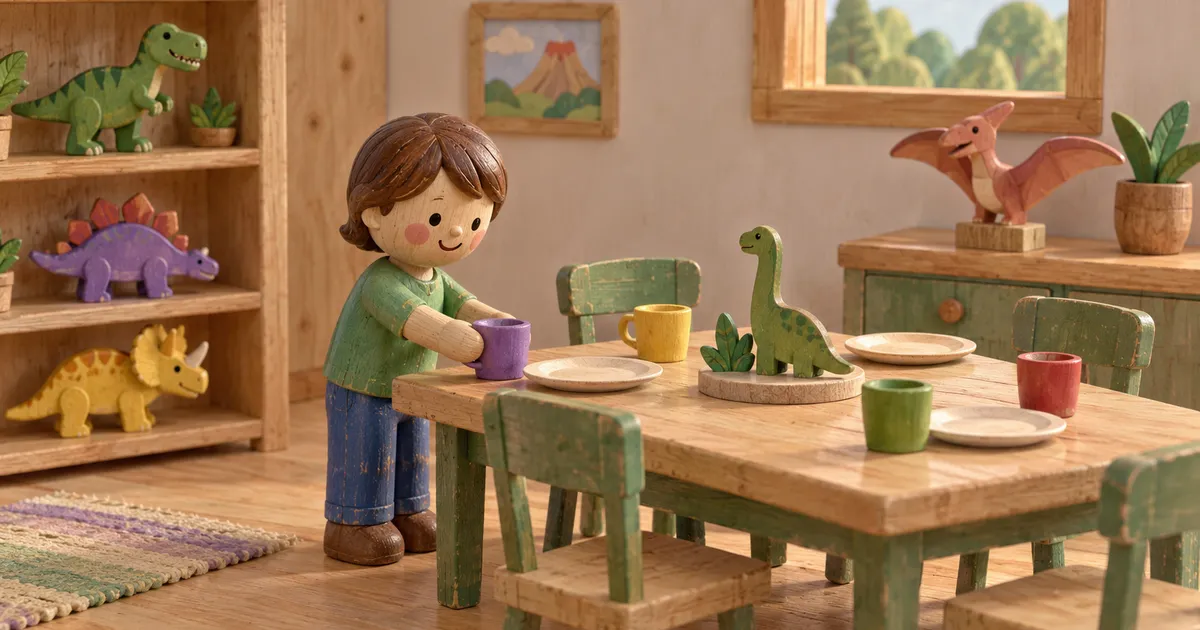
Dinosaur Vocabulary in English for Kids covers names, body parts, actions, descriptions, and sentence patterns. Children need not learn every long name at once. Start with dinosaur, tail, teeth, horns, big, fast, eat, and walk, then add favourite species. Younger learners gain words for play; older children can compare animals, ask questions, and explain facts.
📥 Dinosaur Vocabulary in English for Kids
20 useful dinosaur words and phrases with 4 practice exercises
Leave your email — we'll send the PDF to your inbox.No spam — the PDF plus one short reminder. Unsubscribe anytime.
Core Words and Phrases
When teaching Dinosaur Vocabulary in English for Kids, group words by meaning. A child remembers “teeth, mouth, eat” more easily than unrelated words. Use toys, drawings, or book pictures to connect each word with an object or action.
Begin with nouns such as dinosaur, head, neck, back, leg, foot, tail, tooth, teeth, horn, claw, wing, egg, and fossil. Add verbs such as walk, run, eat, bite, roar, hunt, hide, hatch, and fly. Describing words include big, small, long, short, heavy, fast, slow, strong, sharp, and scary.
- It has a long tail.
- It can run fast.
- It eats plants.
- It has sharp teeth.
- It hatches from an egg.
- Which dinosaur do you like?
Dinosaur Names Children Can Use
Dinosaur Vocabulary in English for Kids is easier to remember through a small group of distinct names. Tyrannosaurus rex, shortened to T. rex, has a familiar shape and name. Triceratops practises horn; Stegosaurus introduces plate and spike. Brachiosaurus supports tall and long neck.
big head, strong legs, sharp teeth
three horns and a large frill
plates on its back and spikes on its tail
long neck and four legs
small body, long tail, and claws
armoured body and a club-like tail
Break long names into beats: Tri-cer-a-tops and An-ky-lo-saur-us. Say each name, let your child repeat it, then use it in a short sentence. Pronunciation varies across countries, so favour understandable speech over a fixed accent.
Building Sentences About Dinosaurs
Use Dinosaur Vocabulary in English for Kids to build sentences in layers. Start with a noun and fact: The dinosaur runs. Add a description: The small dinosaur runs. Then add detail: The small dinosaur runs across the rocks. Children see how familiar words form fuller ideas.
The table gives four sentence patterns for different dinosaur names. Change one part at a time so your child focuses on meaning instead of memorising the whole sentence.
Choose two or three English sentence starters for kids and display them during play. Try I can see…, I think…, and My dinosaur can…. Older learners can give reasons with because: I think it ate plants because its teeth were flat.
Build a Dinosaur Sentence
Choose one name, one body part, and one describing word. Say, “The Stegosaurus has a strong tail.” Change one word and repeat the new sentence aloud.
Activities for Different Ages
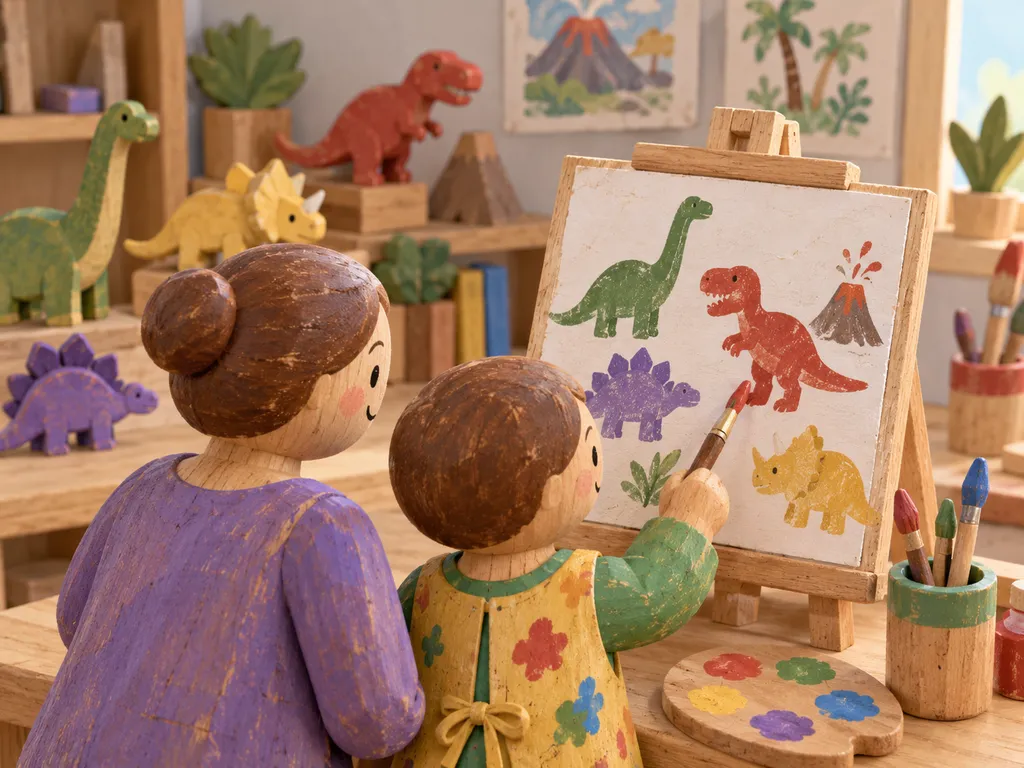
For ages 5 to 6, keep practice physical and brief. Place two dinosaur toys on the floor and give directions: Pick up the big dinosaur. Touch its tail. Make it walk. Put it beside the egg. The child connects each word with an action and responds without a long explanation.
For ages 7 to 9, add sorting and choices. Your child can group dinosaurs by features, diet, or movement, then explain one choice: This dinosaur has horns or This dinosaur has plates. Invite corrections of playful errors such as The Triceratops has wings. Correction prompts speech.
Older children can create fact cards, compare two species, or give a one-minute museum talk using three target words and one comparison. Across LearnLink lessons, our tutors adjust speaking tasks to each child’s age, current English, and interests without creating a memory test.
Practice Ideas for Home
At home, Dinosaur Vocabulary in English for Kids works through short, repeated rounds. Set one aim per session: names one day, body parts the next, then actions or sentences. Five focused minutes can achieve more than a long session after attention fades.
Try a “mystery dinosaur” game. One person describes a dinosaur without naming it: It has three horns. It walks on four legs. It eats plants. The other person guesses. Swap roles to practise listening and speaking.
Use books and drawings. Before reading, find three known words in the pictures. Afterwards, ask your child to draw a dinosaur and label its body. A multilingual child may know the concept in another language; accept it, then supply the English word in a sentence.
Common Mistakes to Avoid
Do not begin with a long list of difficult species. Children may repeat ten names without understanding tail, claw, or eat. A smaller set of reusable words creates more speaking options.
Keep grammar models consistent. Use It has horns, not It have horns; It can run, not It can runs; and It has sharp teeth, not tooths. Repeat the correct sentence naturally, then invite another attempt.
Keep science labels accurate. Pterosaurs such as Pterodactyl were flying reptiles, not dinosaurs, and marine reptiles formed a separate group. Young children can include them in the same play scene, but adults should not label every prehistoric animal a dinosaur.
- Use five dinosaur picture cards with children ages four to six.
- Practice naming each dinosaur twice before introducing any new words.
- Read one illustrated dinosaur book aloud and pause for pronunciation practice.
- Avoid correcting every mistake; model the word clearly and continue playing.
- Review Dinosaur Vocabulary in English for Kids through a three-minute matching game.
When a word has several meanings or pronunciations, Cambridge Dictionary is a useful check before turning it into child-friendly examples.
Frequently Asked Questions
How Many Dinosaur Words Should My Child Learn at Once?
Start with five to eight connected words, such as dinosaur, head, tail, teeth, big, walk, and eat. Practise them for several days before adding more. Dinosaur Vocabulary in English for Kids should build communication, not test recalled labels. Add words when the first set appears naturally in play or sentences.
What If My Child Struggles with Long Dinosaur Names?
Break the name into spoken beats and practise it in a sentence. Your child might say Steg-o-saur-us, then The Stegosaurus has plates. Accept a close attempt before modelling the word again. Aim for confident, understandable speech; pronunciation develops through listening and repetition.
Can Dinosaur Play Help a Multilingual Child Learn English?
Yes. Familiar dinosaur toys and pictures give English words immediate meaning when your child uses another language at home or school. Let the child share existing knowledge, then model the English word and one short sentence. Other languages support new English vocabulary.
How Can I Tell Whether My Child Remembers the Words?
Look for use, not recitation. Ask your child to follow a direction, describe a toy, choose between two dinosaurs, or correct a silly sentence. Understanding Touch the horns or producing It has a long tail without copying shows active vocabulary. Review forgotten words in the next game.
Start your child's English journey today — book a trial lesson with LearnLink.
Stay updated on our latest tips and resources by following us on Instagram LearnLink.